
Ashley Joan Interview | Respect the Artist
This interview was curated by KIR ART & START Shows
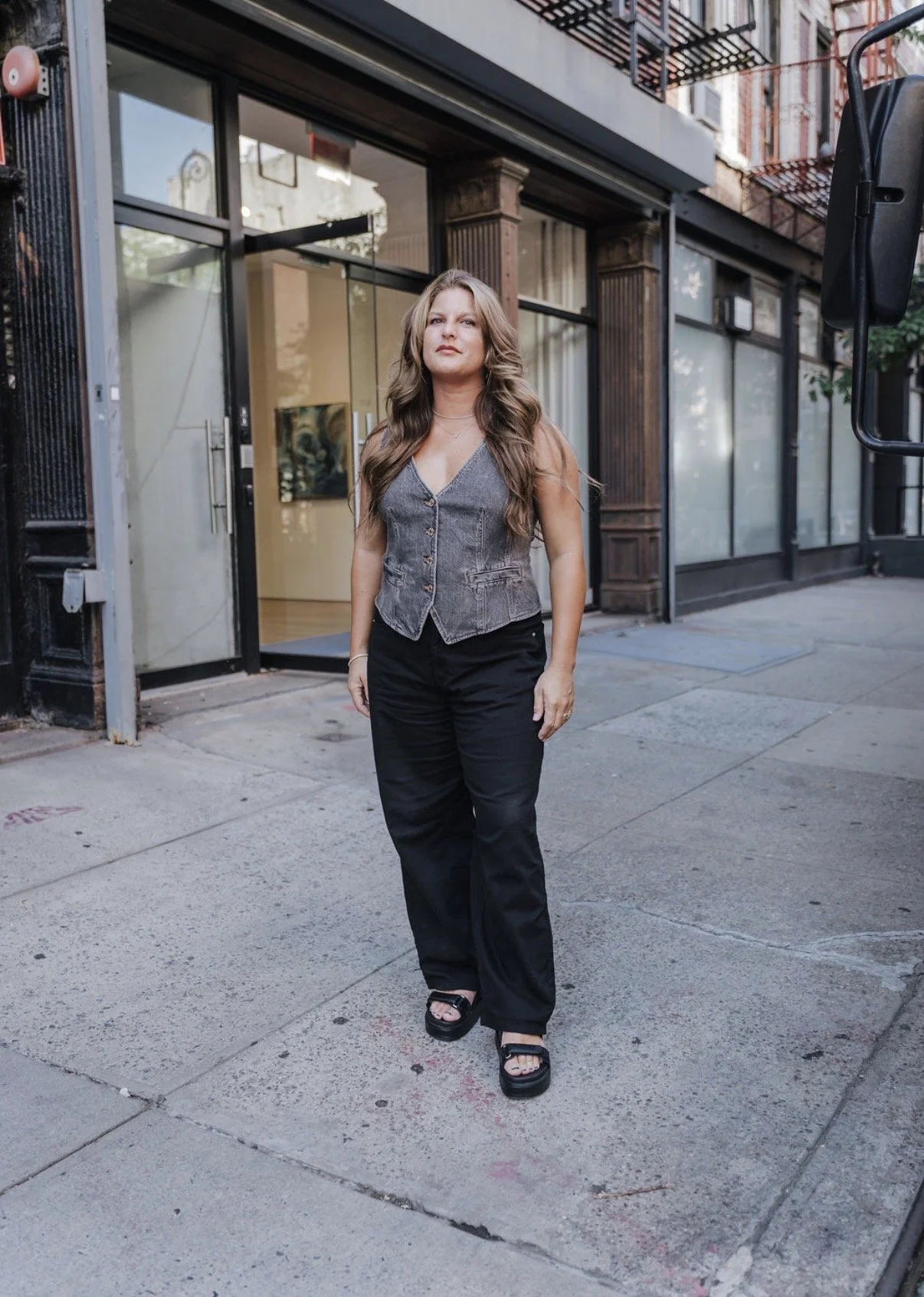
Ashley Schriefer was born in Long Island, New York. She earned her Bachelor of Arts in Art Education from Flagler College in 2010 and later completed her Master of Fine Arts at Long Island University in 2016. She currently teaches art at Roosevelt Middle School while continuing to build a dynamic professional art practice.
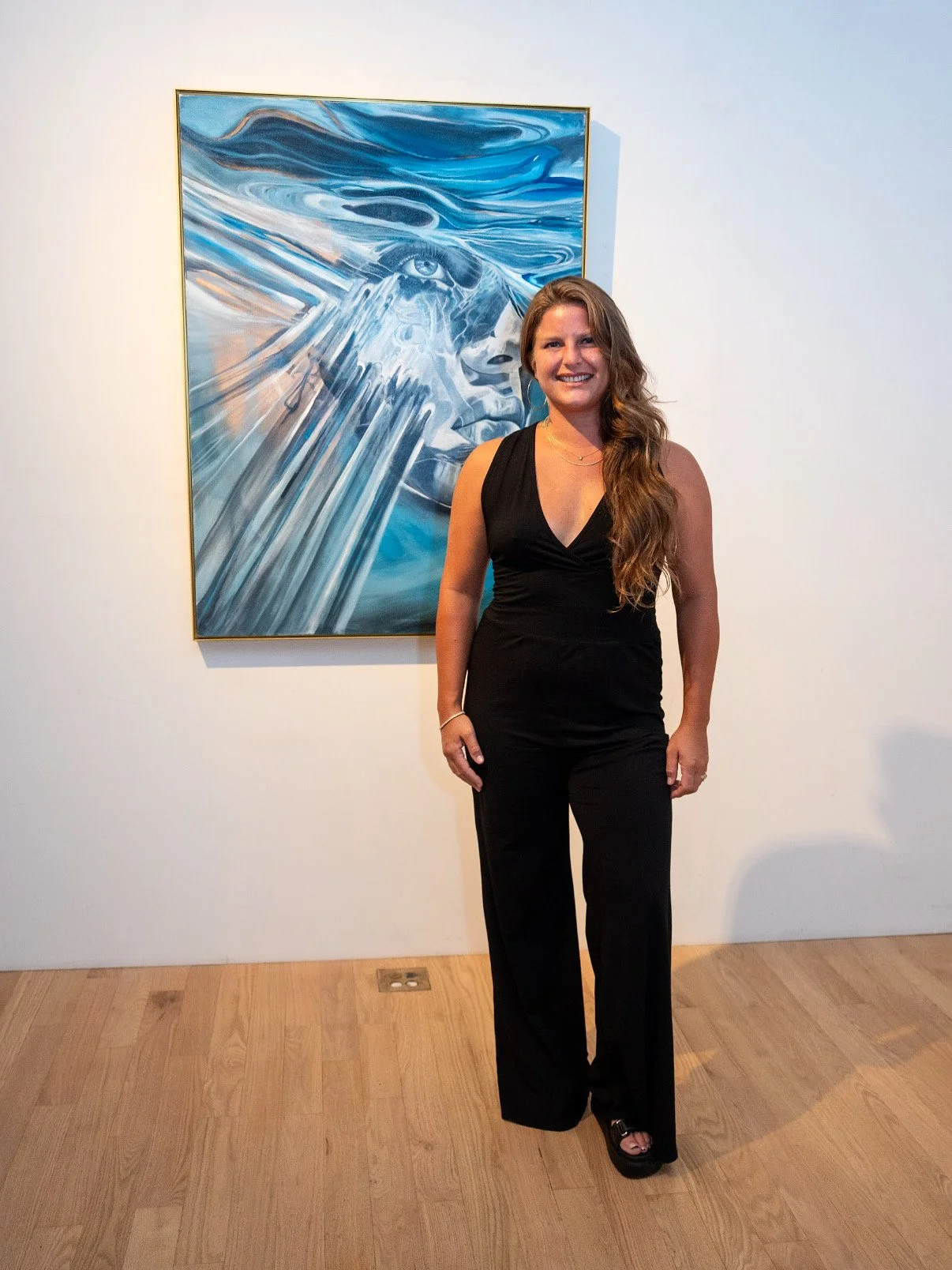
Schriefer’s work has been exhibited nationally and internationally, including shows with M.A.D.S. Art Gallery in Milan, Italy, One Art Space in New York City (2022), and Art Curator Magazine’s “River of Dreams.” She also participated in Spectrum Miami 2023 and debuted her first solo show in August 2025 with Artifact Projects.
Her artwork has been featured in venues across Long Island such as the Steinberg Museum at LIU University, SIA Art Gallery, RIPE Art Gallery, Urban Outfitters, Allegria Hotel, and Unsound Surf Shop.
Schriefer’s work and artistic voice have appeared in numerous publications, including Fashion Week Online, Start Creative Arts Therapy, Art Times Now, DaVinci Magazine, and Wichita State’s collegiate journal “MOJO.”
Drawn to the ocean, Schriefer creates emotionally charged paintings that intertwine portraiture and seascapes, reflecting both the power and vulnerability of human experience. She currently lives and works in Long Beach, Long Island, where the ocean remains her greatest muse.
How did you get your Artist name?
It is my middle name and my grandmothers name
How did you get into creating?
I got into creating as a way to heal. Growing up, I learned early how to be resilient—how to keep moving even when things felt heavy or uncertain. There wasn’t always space to slow down or process what I was carrying, so creating became that space for me. It gave me a way to release what I couldn’t say out loud and to work through emotion without needing everything to make sense.
In high school, I completed my AP concentration around my creative process after my sister Tara passed away. That body of work became a turning point for me. It was the first time I fully understood how creating could help me move through grief, loss, and pain rather than around it. Making allowed me to sit with what hurt and transform it into something tangible, something I could hold and reflect on.
Since then, creating has helped me move through the many traumas I have endured. Each piece feels like a quiet act of resilience—showing up, working through layers, and trusting the process even when the outcome is unclear. Creating taught me that healing isn’t linear and that strength doesn’t always look loud. Sometimes it looks like patience, repetition, and the willingness to keep going.
Over time, creating stopped being just a coping mechanism and became a form of self-preservation. It’s how I process experience, honor where I’ve been, and continue healing—layer by layer—while carrying forward the resilience that shaped me.
Where are you from?
West Hempstead but spent a lot of time in Long Beach through out high school and moved there my senior year and still live here currently.
How did growing up in your neighborhood/city affect you?
I’m from West Hempstead. Growing up there meant being surrounded by people from many different backgrounds, experiences, and realities. I had friends whose lives looked very different from mine, and many of us were navigating our own struggles in quiet ways. Being exposed to that mix early on shaped how I see people and the world. It taught me empathy, awareness, and the ability to listen beyond what’s being said. When my family moved to Long Beach, it marked a shift in environment and rhythm. Life felt more open, slower in certain ways. Being near the ocean gave me space to reflect and breathe, and it allowed me to process experiences I had been carrying for a long time. The move wasn’t about leaving one place behind, but about entering a new chapter with a different kind of perspective. The contrast between West Hempstead and Long Beach shaped my resilience and my sensitivity. One taught me how to adapt and connect with people from all walks of life; the other taught me how to slow down and heal. Together, those experiences continue to inform who I am and how I create—holding both strength and softness at once.
What did you do to advance your skills/knowledge?
To advance my skills and deepen my understanding of painting, I pursued formal training that challenged both my technique and my thinking. I completed my undergraduate degree at Flagler College in St. Augustine, where I studied studio art alongside an education major. Balancing both disciplines strengthened my ability to think critically, communicate ideas clearly, and understand the learning process from multiple perspectives.
I continued my education by earning my MFA with a concentration in painting. During that time, I taught full time while completing my graduate work, which required discipline, time management, and a deep commitment to both my students and my studio practice. Graduate school pushed me to refine my visual language, engage in sustained conceptual exploration, and commit fully to long-term bodies of work.
Graduating with a 4.0 reflected not only academic achievement but consistency, resilience, and dedication to my craft. Together, my education and teaching experience advanced my technical skills, expanded my conceptual framework, and reinforced the importance of persistence, reflection, and purpose in my work.
What does your current setup look like?
I primarily work with oil paint, and when I can, I incorporate spray paint into my process. Because the studio doesn’t have proper ventilation, using spray paint is weather‑permitting—on those days I’ll spray first, let the work sit, and then return to it later with oil paint. That rhythm has become part of how I work—layers built over time, with pauses that let the piece breathe. I’m almost always listening to music while I work, and I rarely have people around in the studio. It’s a solitary space by design. The one exception was my best friend Ronda, who is a world‑renowned tattoo artist and also paints and does murals. Being around her felt effortless and inspiring—she’s someone who really understands process and intuition in making. Since she moved to Florida, we stay connected by sharing process photos and ideas back and forth. Even at a distance, that exchange keeps me grounded in dialogue and reminds me that while making art is often solitary, the process itself is still shared.
Who inspires you?
The people who inspire me most are my mother, who has been the most resilient person I know, my family, my students, and honestly, myself. Their strength, perseverance, and ability to keep moving forward through challenges remind me of the power of resilience. They inspire me to show up fully—in my life, my teaching, and my art.
What is your goal when you create?
My goal when I create is to be honest—with myself first. I’m not trying to force an outcome or make something fit a specific expectation. I want the work to hold space for healing, resilience, and reflection, both for me and for anyone who experiences it. Creating is a way for me to process what I’ve lived through and translate emotion into something tangible and meaningful.
I also want the work to feel layered and lived in, the way real experiences are. If someone can slow down with a piece, feel seen, or find a sense of calm or connection in it, then the work has done what it’s meant to do. At its core, my goal is to keep showing up—to trust the process, allow growth, and let the work evolve honestly over time.
Why do you create?
I create because it’s how I make sense of the world and myself. It’s a way to process emotion, work through challenges, and honor experiences that don’t always have words. Making art allows me to slow down, reflect, and transform what I’ve lived into something tangible and meaningful.
I also create to hold space—for healing, for resilience, and for connection. It’s both personal and expansive: a practice that helps me grow, understand, and share, even in small ways, the perspectives and emotions that shape who I am. At its core, I create because showing up for the work is a way of showing up for myself.
How has choosing your creative path affected your life?
Choosing my creative path has shaped almost every part of my life. It’s taught me discipline, patience, and the value of showing up even when things feel uncertain. Pursuing art has allowed me to process personal experiences, work through grief and challenges, and find meaning in both the small and significant moments of life.
It’s also given me a lens for resilience—helping me see strength in persistence, reflection, and adaptation. My creative path has connected me with people who inspire me, from my students to my family, and has given me a sense of purpose that extends beyond the studio. Choosing this path hasn’t always been easy, but it has made me more grounded, self-aware, and committed to living fully and honestly through both my work and my life.
Did you have to overcome any obstacles along the way?
Absolutely. I’ve had to overcome a lot along the way—personal challenges, grief, and the ups and downs that come with pursuing a creative life. Early on, I was denied my first application for my MFA. I was just planning to go for my MA in education, which teachers are required to complete within the first five years of teaching—a daunting timeline. One of my professors encouraged me to reapply for the MFA, and doing so pushed me out of my comfort zone and forced me to trust in my own potential.
Balancing full-time teaching while earning my MFA was another major challenge. It tested my discipline, time management, and perseverance, and it taught me how to show up even when energy and time were limited. I’ve also had to navigate the emotional side of making art—working through loss, trauma, and moments of self-doubt. Each of these obstacles has become part of my process, shaping not just the work I create but who I am as a person. Overcoming them has reinforced resilience, patience, and the importance of showing up consistently, both in my studio and in my life.
What's your go-to song right now and why is it important to you?
The song I Got Better by Morgan Wallen really resonates with me—not because it reflects my own relationship, which is amazing—but as a reminder to stay true to yourself. It reminds me that part of growth, both personally and professionally, is recognizing when certain people or situations no longer align with the direction you’re headed. Letting go doesn’t have to be painful; it can simply be a way to honor your path and the life you’re building for yourself.
What is your dream as an artist and what steps are you taking to reach your dream?
My biggest dream as an artist is to open my own gallery or work closely with a major institution that can champion my work and my vision. I want to create a space that not only supports my own growth but also sets a stage for my students—to show them that a professional art career is possible and within reach.
To move toward this dream, I’m focused on building a strong, consistent body of work, exhibiting in meaningful spaces, and connecting with collectors, galleries, and institutions that align with my vision. I continue to teach and mentor, knowing that sharing my process and path can inspire the next generation of artists. Every step I take—whether in the studio, the classroom, or in networking and presenting my work—is intentional, moving me closer to a place where I can lift myself and others into the possibilities of a professional art life.
What would you tell someone else with a dream?
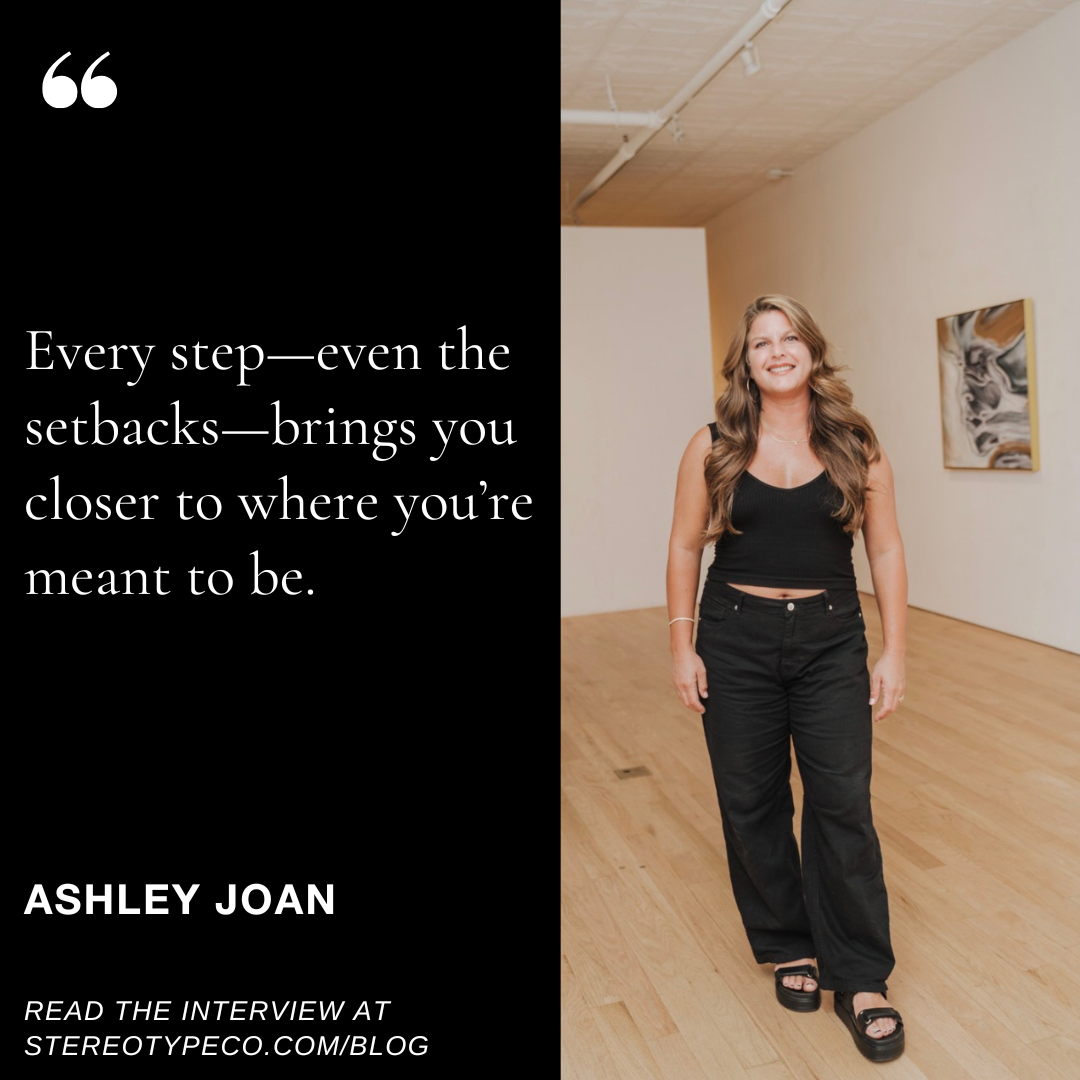
I would tell someone with a dream to never give up. Keep moving forward, even if it means pivoting along the way, but don’t lose sight of your course. Trust the process, stay committed to your growth, and remember that persistence and patience are just as important as talent or opportunity. Every step—even the setbacks—brings you closer to where you’re meant to be.
Tell us about your most recent release
My most recent major exhibition was my solo show in August at Artifact Gallery. Since then, I’ve been fortunate to work with an amazing curator and collector, Adrielle Turner, who is New York-based and a doctoral candidate at Columbia University studying interdisciplinary art education. In addition to her studies, Adrielle runs a non-profit organization, Art Deals, and attends the world’s leading art conventions to stay connected to contemporary conversations and trends. She is deeply passionate about demystifying what it means to be a collector and educating buyers on the art sales process. I’ve had the privilege of participating in many shows with her, and working with Adrielle has been an inspiring and enriching experience, giving me guidance, insight, and support as I continue to grow and share my work.
I’ve also had the opportunity to work with Chris Lavish, known for Fashion Week Online, who offers a different professional perspective in the arts and has provided valuable advice while opening many exciting opportunities. Collaborating with both Adrielle and Chris has broadened my understanding of the art world and continues to inform how I navigate my career and share my work.
http://instagram.com/ashleyjoan_art/
Facebook.com
http://www.https://www.facebook.com/profile.php?id=100088100984626
Website
Photography credit: Andrew Gonzalez
Stereotype Co’s mission is to shine light on dreamers around the world.
Your support helps us continue make a difference.