
Eric Olek Interview | Respect The Dreamer
At the intersection of events, culture, brand, and community sits Friday Knights. What began as a streetwear label has evolved into a production studio known for building real world moments that live far beyond the event itself. From cultural activations to large scale events, Friday Knights works alongside some of the most influential names shaping music, fashion, and sport today.
Founder and Head of Production, Eric Olek has led that evolution firsthand, moving from promoter and designer to a Production Executive trusted by globally recognized brands and agencies. What began as a scrappy retail experiment is now a growing production platform built on taste, precision, and calm execution under pressure. As Friday Knights expands its team and footprint, Olek is setting his sights on scaling the studio’s impact through 2026 and beyond.
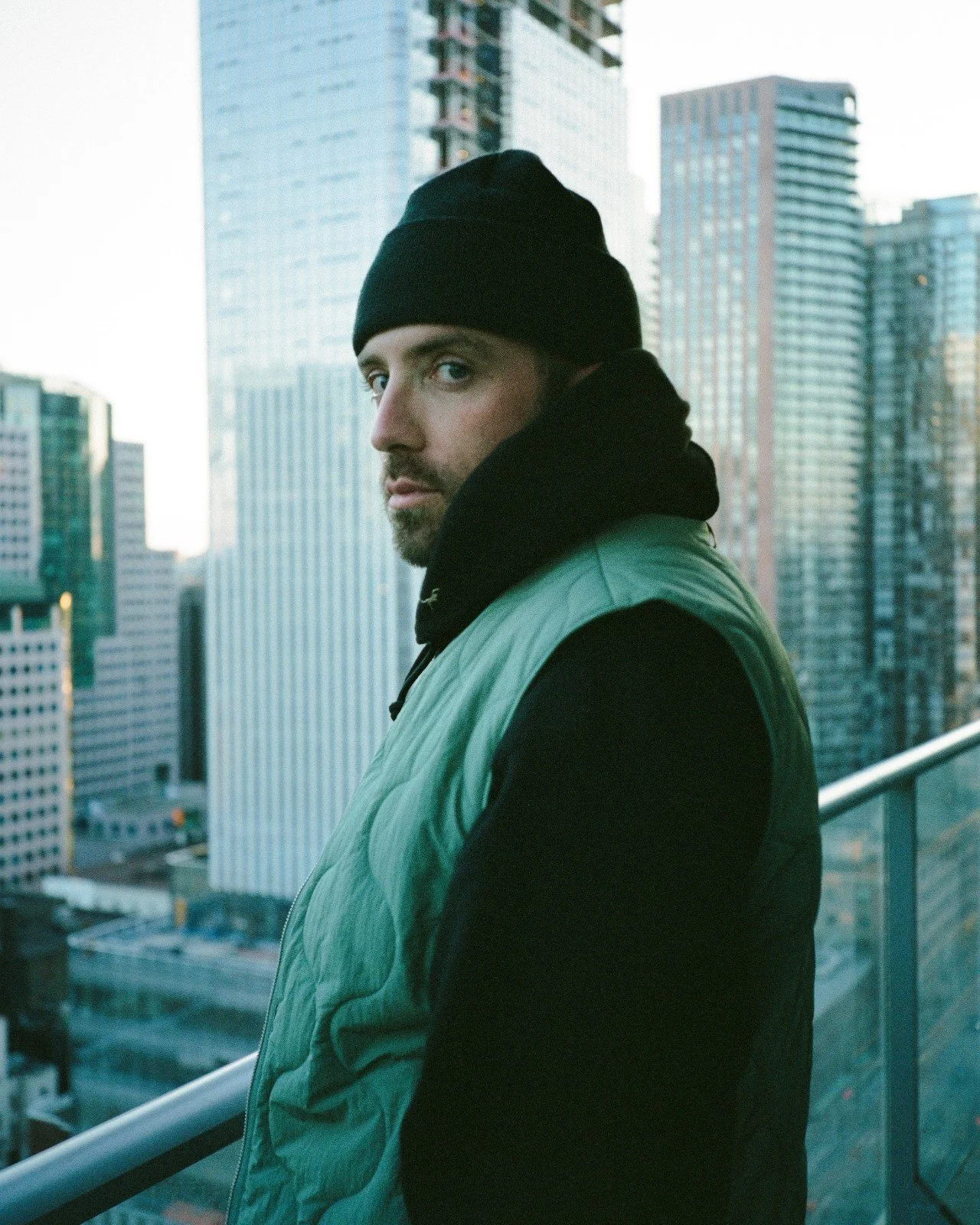
What inspired you to pursue your dream, and how did it all begin?
In 2010, I was an unemployed and uninspired 20-year-old in Winnipeg, Canada, trying to find my place in the city’s creative community. Winnipeg is often overlooked by major brands, artists, and tours, but it has always had a strong culture of people showing up for one another. That gap created both frustration and opportunity.
I began creating moments around the things I cared about - music, design, and community. What started as selling t-shirts out of a friend’s trunk quickly evolved into producing events to bring people together and give a platform to local creatives.
By 2017, that momentum led to our first retail store, and in 2020 it expanded into a creative studio with a print shop and event space. As Friday Knights grew, so did the scale of what we were producing. Concerts, community events, and cultural programming became the core. Eventually, brands and artists began coming to us not for merchandise, but for our ability to create experiences that felt authentic and well-executed.
Can you share a defining moment in your journey that shaped your perspective and fueled your passion?
I’ve always trusted my intuition. To quote Drake, “the moment I stop having fun with it, I’ll be done with it.” When I started my entrepreneurial journey, my goal was to build the next 'The Hundreds'. For nearly ten years, I built Friday Knights as a streetwear brand, but I slowly realized I was having more fun throwing parties and producing events than designing clothing. Still, I tried to push through and stay committed to that original goal, even as my interests changed.
By 2021, the disconnect was clear. That same year, after sponsoring dozens of Friday Knights events, Moët Hennessy approached me to produce a brand activation tied to their NBA partnership. The moment I stepped into that role, everything clicked. The excitement, focus, and sense of purpose came rushing back.
What clicked for me in that moment was realizing this had been the common thread the whole time. The event production, the pressure of a live moment, working toward a clear goal and deadline, and the rush of execution. That’s where I’ve always felt most locked in.
From there, I leaned fully into the event space, spending the next few years following that curiosity as a freelance producer for various agencies.
Fully reinvigorated and backed by a growing network of clients and collaborators across North America, I closed the Winnipeg studio in January 2025 and relaunched Friday Knights as a production agency based in New York City.
How do you handle setbacks and keep pushing forward in the pursuit of your dreams?
I treat setbacks as part of the process. Not to get philosophical about it, but I genuinely believe that what’s meant for me won’t miss me. There isn’t one path to anything worthwhile, and every setback is either friction or a launchpad, depending on how you use it.
My goals have evolved over time, and I’ve evolved with them. Because of that, I don’t really believe in “arriving.” I try not to fixate on outcomes or completion, and instead focus on continuation and actually enjoying the process. That includes the messy parts.
I’ve learned to slow down, avoid rigidity, embrace change, follow my curiosity, and stop rushing toward some imaginary finish line. Experiment, learn, adjust, and most importantly, keep going. Motion is key to momentum; you can't steer a parked car.
Even in seasons of doubt, I operate as if I’m getting ready to get ready. I try to ask myself one simple question: if the opportunity I say I want showed up tomorrow, have I actually done the work to be ready for it?
Are there specific individuals who have inspired you along the journey?
A lot of my inspiration is personal. I was raised by a single mom, and I inherited her relentlessness. You do whatever it takes to make sure things are handled. Failure isn’t really an option, and if something doesn’t work, you adjust and keep moving. You don’t stop.
I’ve also been shaped by former employers who showed me that work doesn’t have to feel like work, mentors in the event space who taught me how to lead a team, and friends who’ve taken real risks. I’ve seen how to handle success, but more importantly, failure. People who left the comfort of home, became small fish in much bigger ponds, and built things they’re genuinely proud of.
Aspirationally, I still look up to Bobby Hundreds for having the courage to leave The Hundreds and follow his curiosity to Disney. Nipsey Hussle for showing us there is no one path forward, that you can remain indy and make it to the top without leaving your neighborhood. Noah Callahan-Bever for stepping away from Complex to build Idea Generation, only to return later as Chief Content Officer after it was acquired. And Action Bronson for proving you can be exactly who you are and build a career around your interests without diluting your identity. Watching him move seamlessly between music, food, art, wrestling, streetwear, and community is a constant reminder to stay authentic.
Oh, and Anthony Bourdain, always. He showed me that it’s never too late to start over, to follow curiosity, and not to take life or yourself too seriously.
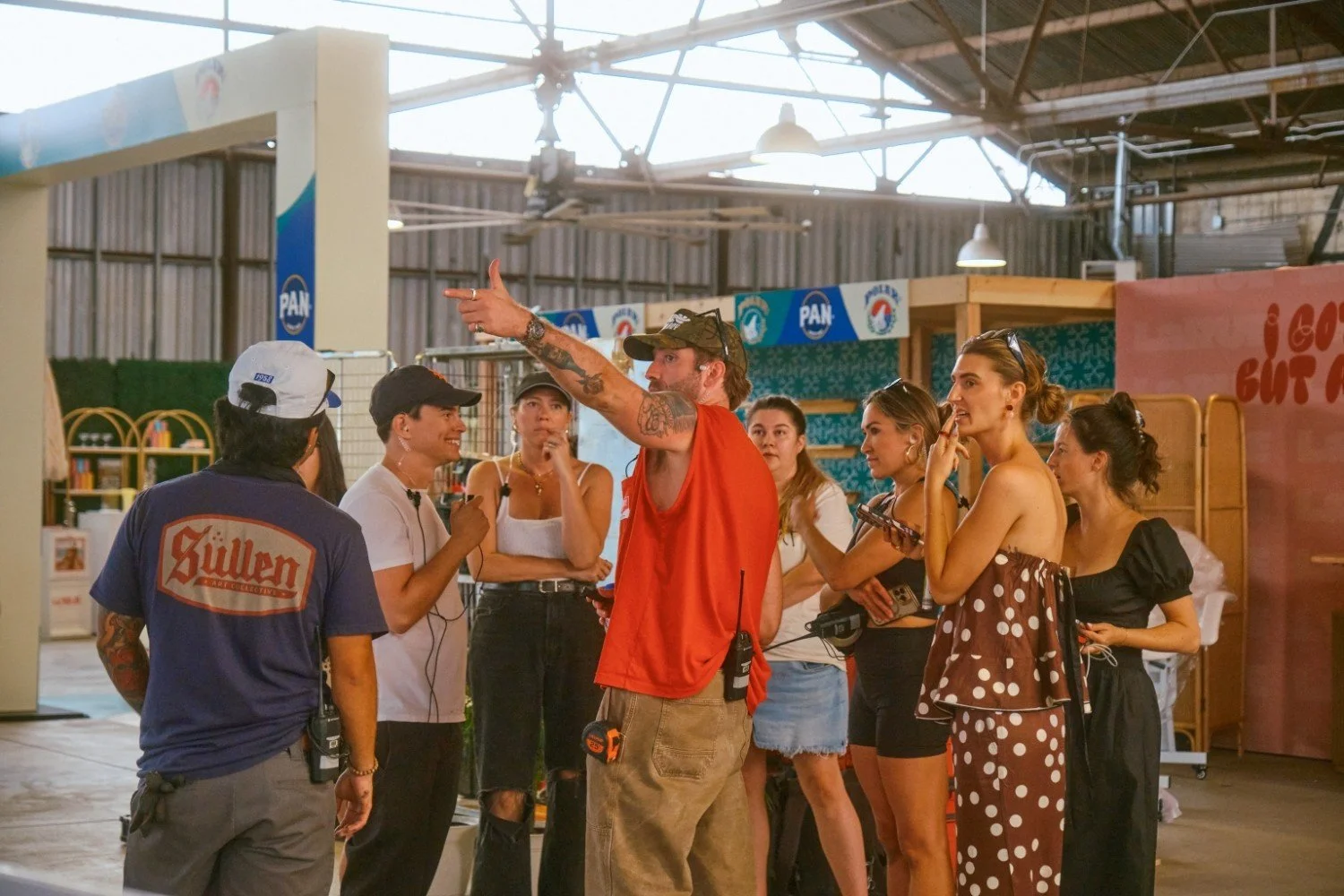
How do you maintain a balance between pursuing your dreams and handling everyday responsibilities?
I’m able to pursue my dreams because, over time, I turned them into my work. Early on, that wasn’t the case. I was working at a convenience store while building Friday Knights on the side. It couldn’t sustain me yet, and that was the hard part. But I knew that once my shift ended, or the week wrapped, it was time to switch gears and work on what I actually cared about.
During that phase, I think it’s important to find a day job that supports your dreams rather than competes with them. My managers were great about giving me flexibility, letting me come in late if I had to run to the screen printer, or leave early to set up for an event. That kind of support matters. Maybe that looks like an artist working at a music nonprofit or record store, or an aspiring designer managing a sneaker shop. Anywhere you can sustain yourself financially while soaking up game and building toward something bigger.
Today, it looks different. I’ve committed to a lifestyle where my work, relationships, and creative pursuits overlap. A lot of my friendships are tied to projects, community, and shared goals. I don’t really separate my daily responsibilities from my dreams anymore. They’re part of the same thing, and we’re building together.
How do you overcome self-doubt and stay confident in your abilities?
There’s a lot of power in looking back. I journal often, and one thing I’ve noticed over the years is that my doubts tend to stay the same, no matter how much I level up. The questions don’t really change. Talking to peers and mentors who are further along only confirmed that. The doubt, the imposter syndrome, never fully goes away. Naming it for what it is helps more than trying to eliminate it.
Every time I successfully pull off an event, I get a brief moment of clarity. Like, okay, I’m actually really good at this shit. I make a point to register that feeling and carry it with me instead of letting it pass.
I also remind myself that I’m always getting better. The version of me today isn’t as experienced as the version of me five or ten years from now, but I know the trajectory is solid based on how far I have already come. When doubt shows up, I look at the pattern. I’ve consistently delivered, and when I haven’t, I’ve learned from it. That perspective is usually enough to keep me moving forward.
Can you share a memorable success story or achievement that resulted from your determination?
There have been a lot of wins over the years, but one that still stands out happened early on, long before Friday Knights looked like it does today.
The first time the brand was picked up by a national retailer, I jumped in before I was ready. I had no money, no backing, just a few sample t shirts and a lot of grit. I cold-emailed and showed up unannounced trying to get into showrooms during a major streetwear tradeshow. Out of close to a hundred sales reps, only a handful responded, and only one agreed to take a chance and show the product.
After literally willing this opportunity into existence, a national retailer liked what they saw and placed an order for 3,000 units across 35 stores. That was the easy part. From there, I had to figure out bulk production, overseas manufacturing, logistics, customs, point of sale materials, brand education, and how to finance the entire order when payment didn’t come until delivery. I maxed out a credit card or two and figured it out in real time.
Even though that story comes from an earlier chapter, it still defines how I work today. Event production is the same muscle. Tight timelines, limited budgets, high expectations, and no room for excuses. Sometimes you’re producing something massive in two weeks from scratch. Sometimes the budget doesn’t match the vision. Either way, you make it work.
Over the last five years, I’ve produced projects for organizations like the NFL, Nike, Amazon, CBS, and Moët Hennessy. The common threads have been the willingness to take on more than what feels comfortable, remaining calm under pressure, and knowing how to execute. That instinct to bite off more than you can chew and figure it out has never really changed.
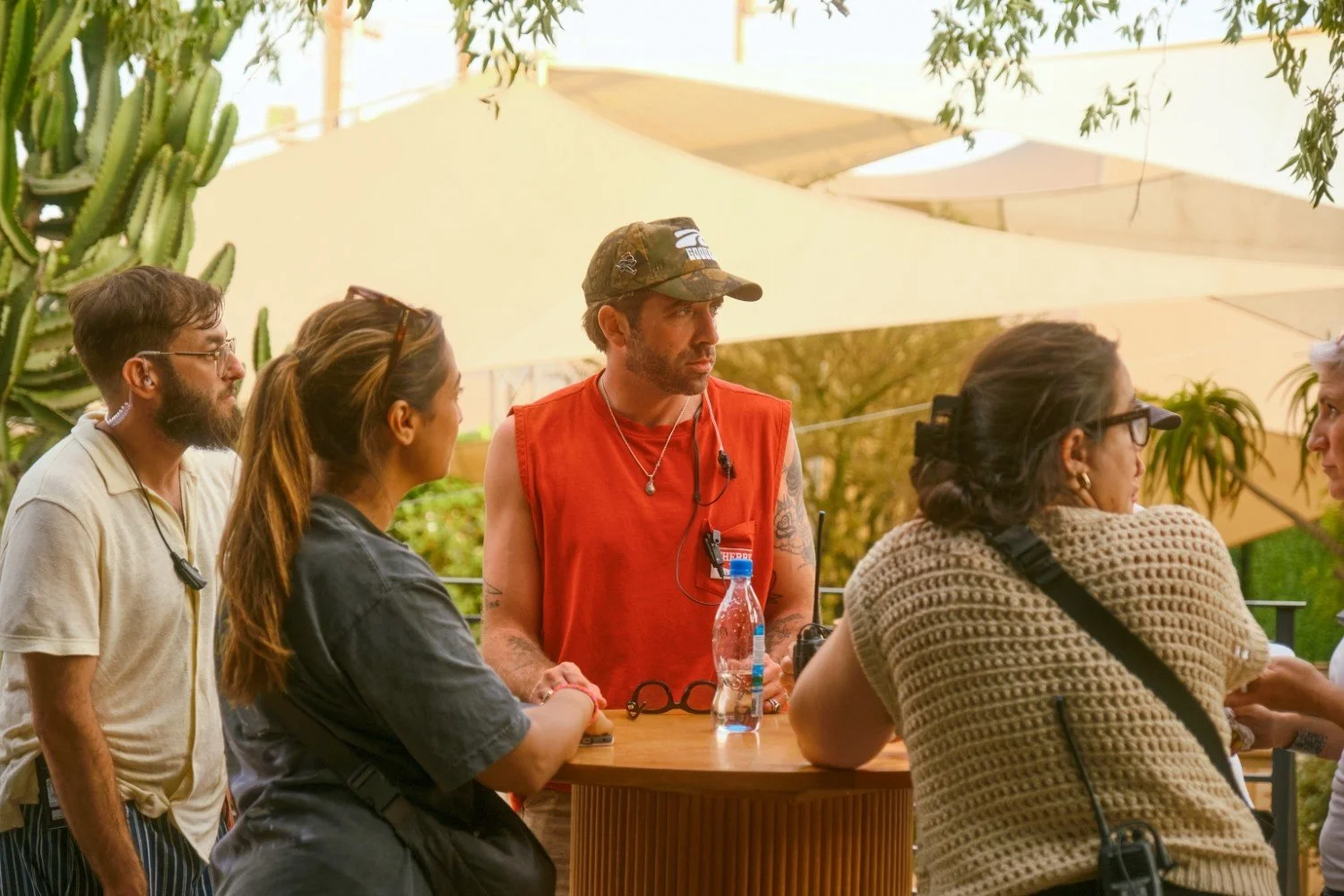
In what ways do you stay motivated during challenging times?
During challenging times, I try to be honest about what I actually need. Sometimes that’s rest, a reset, or a mental health break. I don’t pretend I’m always motivated. There are moments where I’m not, but I still recognize a responsibility to myself and to the people I work with to keep moving.
If things aren’t clicking, it’s usually a sign I’m trying to force something. That’s when I take a beat, recalibrate, and lower the bar for the day. Maybe that means taking a day to fully shut down, or a week where I’m not operating at my best. I try not to fight that.
When work still needs to get done, I rely on momentum over motivation. I brain dump everything that’s on my mind, no order, no pressure. Respond to an email. Order something. Build a budget. Follow up with someone. Then I start with the easiest tasks and make sure I check off two or three things. That’s enough to create movement.
Once things are in motion, people respond, conversations reopen, and there’s something to build from. Sometimes staying motivated isn’t about pushing harder. It’s about getting things moving again.
What dream are you living right now?
Today, the dream I’m living is alignment. After closing my creative studio in January of 2025, I was able to put both feet fully into the event world. It’s something I’d been gravitating toward for years, but I still had one foot tied to an older version of the dream.
For the last three years, I’ve been living nomadically while building Friday Knights as a remote agency. Last July, we produced the Create & Cultivate Festival in Los Angeles, welcoming over 2,000 attendees, with keynote conversations from Ciara and Jhené Aiko and a headlining performance by Doechii. It was intense, challenging, and incredibly fulfilling. We’re now slated to produce the 2026 festival this September.
At its core, the dream is that work doesn’t feel like work. It’s freedom of movement, designing life around experience, and not postponing living until some future finish line. I know this will evolve, but right now, this is it.
What advice would you give to someone with a dream?
Don’t wait for permission. Don’t live by imaginary rules or timelines set by society. Try the thing. Jump in. Adjust as you go. A lot of the red tape, the rules, the no’s, they’re often just tests to see how serious you are. If you are serious, you’ll find a way to build it on your own terms. Unconventionally. In a way that actually feels like you.
Trust your gut, if it feels like you're forcing it, that's misalignment talking.
A question I come back to often is this: Do you actually want to solve the problems that come with this decision? Because every path has friction. The key is choosing problems you’re willing to live with and grow through and get excited to figure out.
When I opened a print shop in 2020, it made sense on paper. I had a clothing brand, so owning production felt logical. Lower costs, more control. What I didn’t realize was that I didn’t actually want to own a print shop. I had created a job for myself that I didn’t enjoy. Spending time on the phone with UPS, haggling with customers over two t-shirts for a gag gift. It wasn’t aligned with what I wanted to be spending my energy on, and it wasn’t serving a bigger purpose.
That experience reframed things for me. Skills are transferable. Not every opportunity needs to lead somewhere permanent. Some things are just stepping stones that show you what fits and what doesn’t.
Treat yourself as the project. Pay attention to what you’re learning, what excites you, and what you want to move toward next. Follow that signal.
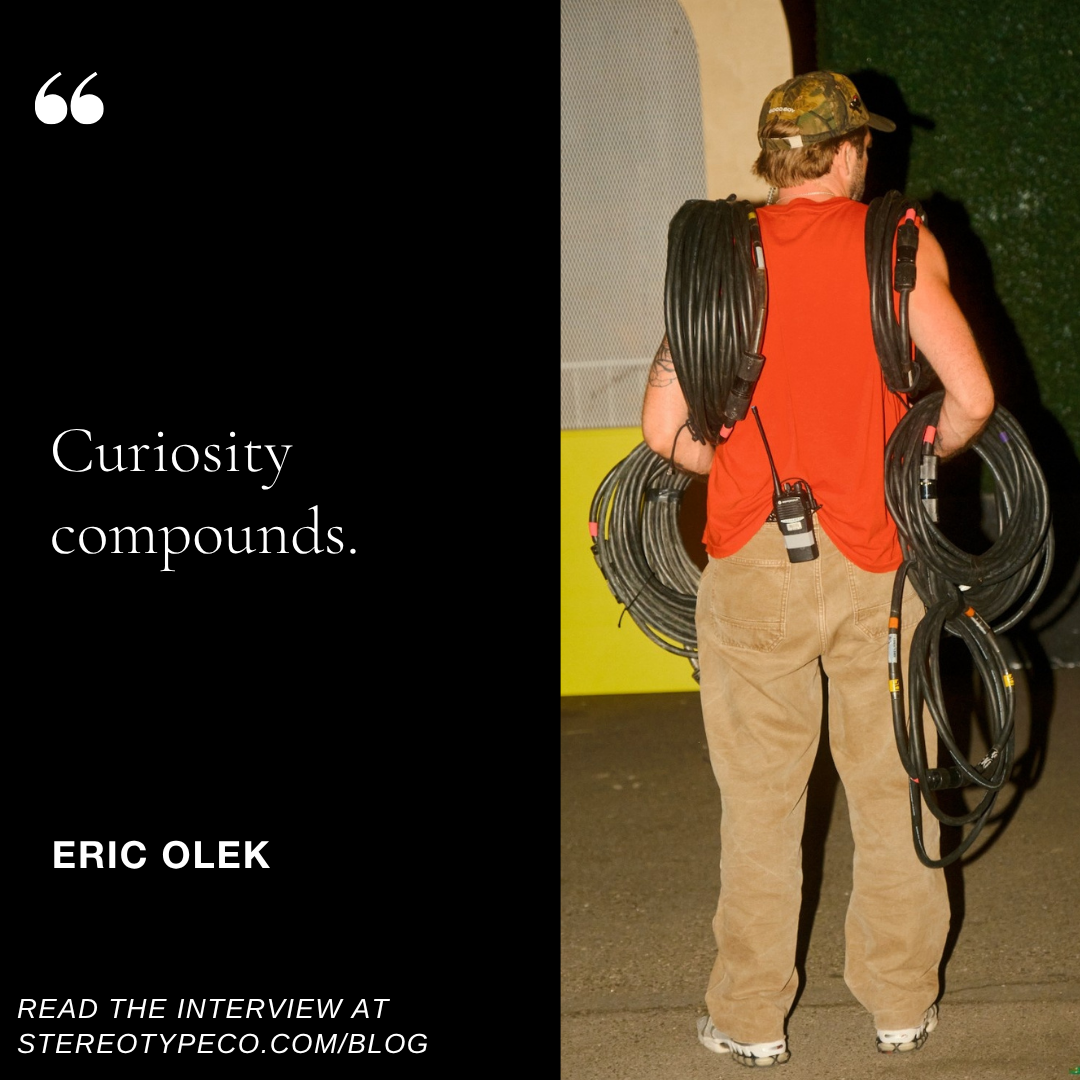
Curiosity compounds.
Photography credit: Portrait - Dillan Lavallee
Other images - Morgan Rindengan
Website
Stereotype Co’s mission is to shine light on dreamers around the world.
Your support helps us continue make a difference.