Boost Your Small Business Impact at Local Events with Easy Winning Strategies
Written by Eva Benoit www.evabenoit.com
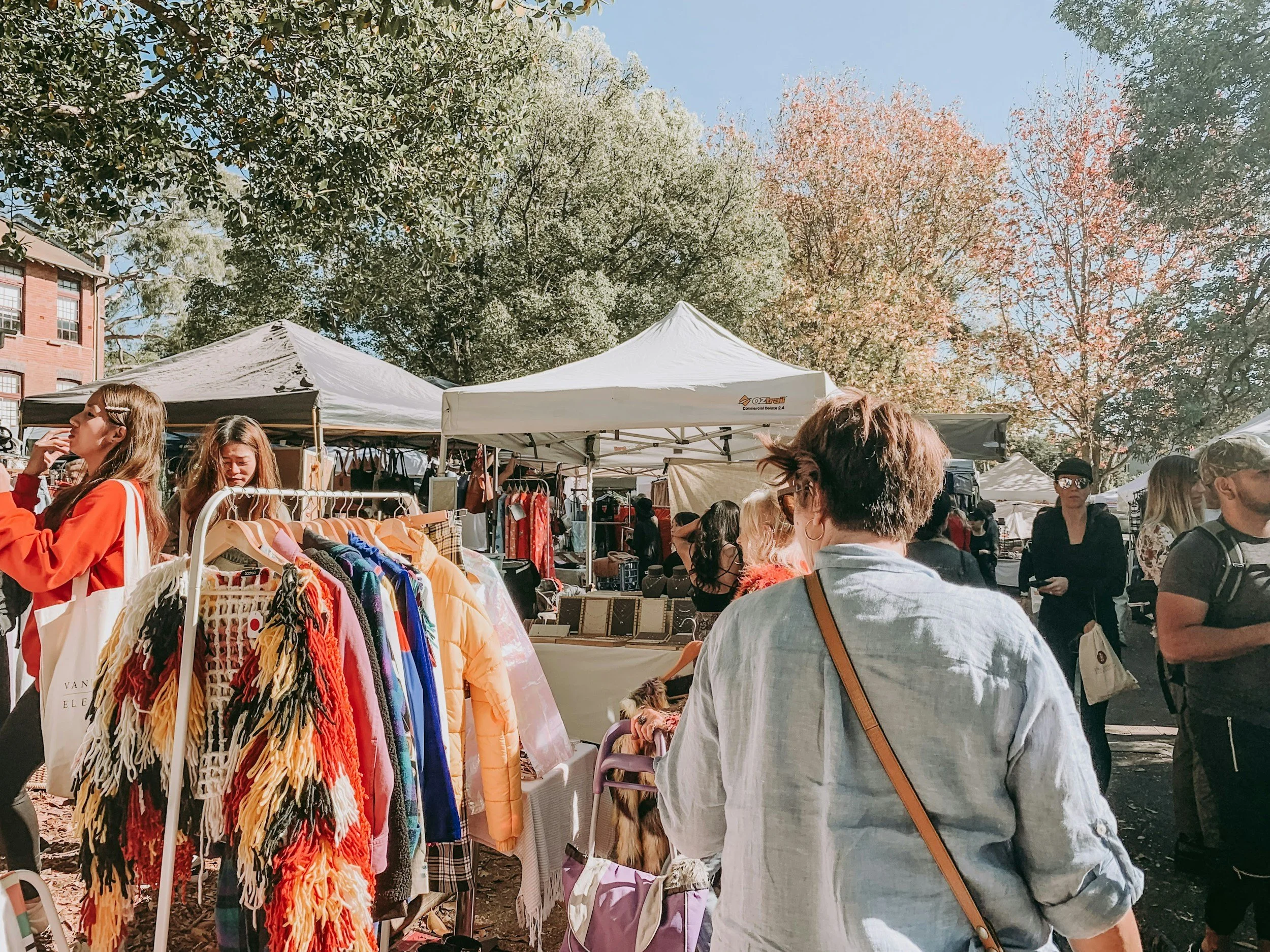
Photo by @kdarmody
Small business owners who sell at community fairs, especially pop-up shop branding teams and urban streetwear businesses, know how easy it is to get lost in a row of tables that all blur together. Local events marketing often rewards the loudest setup, even when the brand is strong and the product is solid. The real tension is wanting to be approachable and memorable without slipping into pushy energy or awkward small talk. With a clearer way to show up, connect, and be remembered, event days can start building real momentum.
Quick Takeaways for Local Event Success
Set clear goals and pick events that match your audience and brand.
Design a simple, welcoming booth that makes your message easy to grasp fast.
Start friendly conversations and use approachable customer interaction techniques to build trust.
Offer a clear next step so interested people can follow up after the event.
Track what worked and refine your event engagement strategies for stronger local brand visibility.
Understanding a Strong Event Presence
A strong event presence is not just showing up with a table and a banner. It is how you greet people, start real conversations, and practice brand storytelling in the moment so your values feel human, not salesy.
This matters because events are one of the few places where strangers can quickly become familiar faces. Those small interactions can build trust, and trust is what turns a one day chat into repeat visits. In fact, 61% of people are loyal to one to five brands, so earning a spot in that short list is a real advantage.
Picture a weekend market where you offer a sample, ask what they are shopping for, and share why you started the business. When you remember their name or preference, they feel seen. That feeling is what brings them back later.
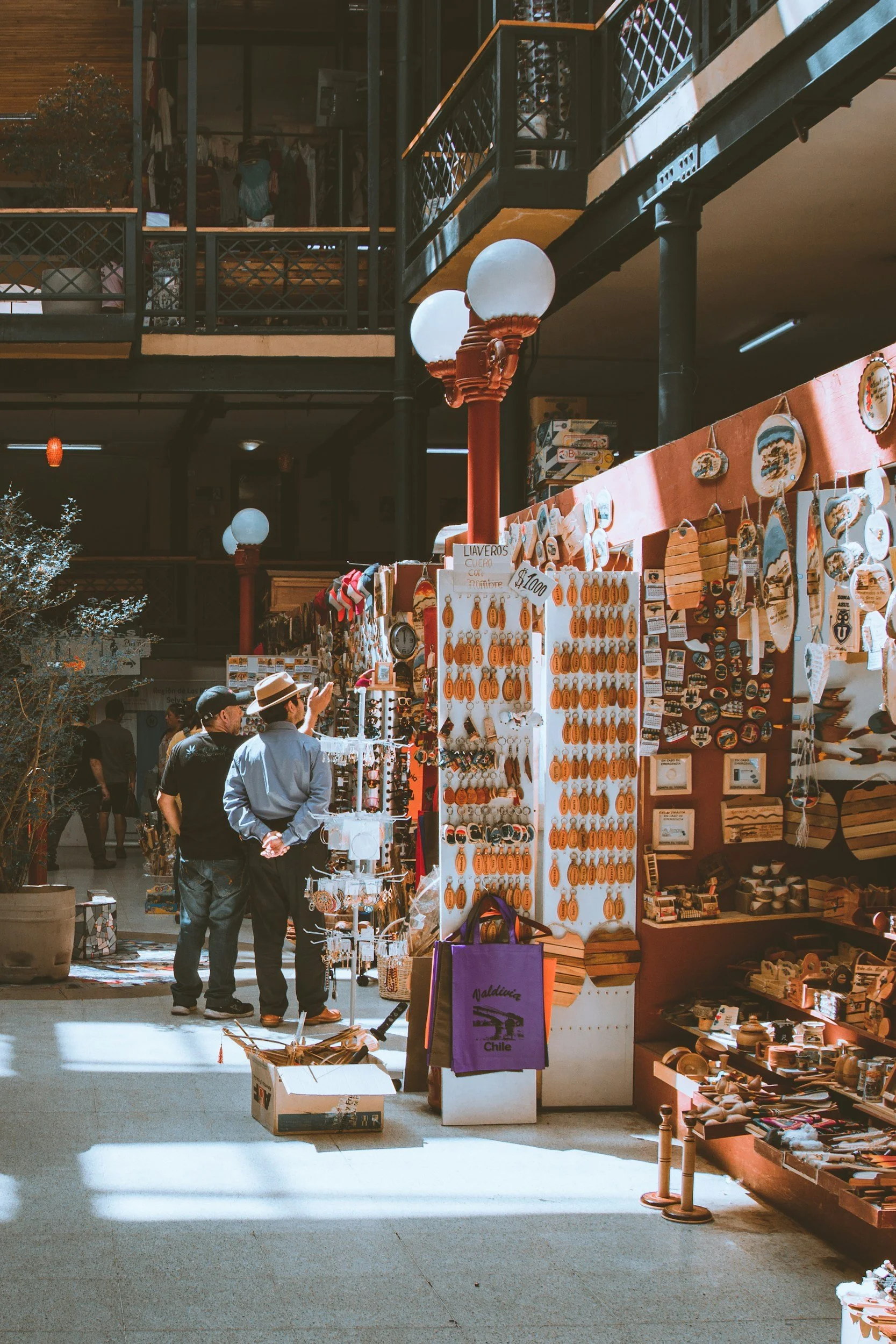
Photo by @whyloyd
Crowd-Getting Moves for Your Booth or Pop-Up
A strong event presence is really a bunch of small, repeatable moments: people notice you, step closer, interact, and leave remembering your story. Use the moves below to engineer those moments on purpose, without needing a big budget.
Design a “3-Second Read” Booth: Pick one hero product, one clear sign, and one bold visual cue (color block, banner, or rack wall) that can be understood from across the aisle. Keep your message simple: what it is + who it’s for + price range. This works because people decide whether to stop fast, clarity beats clutter.
Build a Touch-and-Try Zone (Not a Table of Stuff): Create one dedicated spot where hands go automatically: mirror + good lighting for accessories, a “try on” rack with 6–10 bestsellers, or a fabric/fit station for streetwear. Put a small sign that gives people permission: “Try it on, ask for your size.” This turns passive browsing into your brand story in real time.
Add One Interactive Display That Captures Leads: Give visitors a quick action that earns a reward: spin-to-win for a sticker, vote on a colorway, “pick your patch,” or a 30-second styling challenge. Tie it to email/SMS signup or a QR form, because interactive elements drove a 45% increase in lead capture compared to static setups. Keep it simple: one action, one prize, one way to follow up.
Run a Social Media Event Tie-In With a Clear Script: Post a “Find us today” Story with a landmark and a booth detail (“by the DJ / near the food trucks / look for the neon tote wall”). At the booth, place a small sign with the exact caption you want people to use plus a branded hashtag, then offer a tiny perk for posting (5% off, free pin, or bonus entry). You’ll get proof-of-life content and make it easier for friends nearby to locate you.
Partner With a Local Nano-Influencer for One Hour: Don’t aim for fame, aim for trust in your neighborhood. Invite a creator who already outfits your target crowd and give them a tight plan: 15 minutes shopping, 15 minutes meet-and-greet, 15 minutes “fit check” filming, 15 minutes discount-code reminders. The case for this is strong: spending growth on nano-influencers grew by 195.6%, and they’re often more affordable and community-connected.
Use Giveaways and Sampling Tactics With a Purpose: Make your freebie do a job: start a conversation, create a photo moment, or drive a return visit. A practical filter is choosing swag where your giveaway is relevant, cost-effective, durable, shareable, creative. For streetwear and accessories, think sticker packs, keychains, mini lookbook cards with outfit combos, or scent/fabric samples, then attach a QR code to shop your “event edit.”
Close the Loop With a Fast Follow-Up Hook: Before people leave, offer one clear next step: “Want restock alerts?” “Get the event-only bundle link,” or “Vote on the next drop.” Write down the 3 most common questions you heard and the 2 products people touched the most, those details become your best quick fixes and the easiest raw material for simple teaser videos later.
Photo by @mikepetrucci
Quick Answers for Local Event Success
Q: What are some creative ways to make my booth stand out at local events and fairs?
A: Pick one bold “hero” visual and repeat it everywhere: sign, tablecloth, and a simple backdrop for photos. Add a hands-on micro-experience like a quick demo, a sample, or a “vote for the next drop” board. Keep your message to one clear promise plus a starting price so people understand you at a glance.
Q: How can I attract and engage visitors quickly when I have limited time at pop-up events?
A: Lead with one fast question that sorts shoppers, like “Shopping for a gift or for you?” Then offer a 20-second guided option: bestsellers, budget picks, or new arrivals. Use a simple template-based sign and a QR code so people can save your info even if they cannot stop.
Q: What practical tips help simplify setting up and managing a display at local markets?
A: Pack in zones using labeled bins: signage, payment, inventory, and “grab-and-go” bagging. An event marketing checklist helps you organize and track what must be done before doors open. Bring a small reset kit like tape, clips, markers, and a backup charger.
Q: How do I deal with feeling overwhelmed when preparing for multiple community events?
A: Standardize what you can: one booth layout, one pricing system, and two promo templates you reuse each time. Planning contingency plans for weather or delays reduces last-minute stress because you already know your Plan B. After each event, jot down what sold, what confused people, and one fix for next time.
Q: What if I want to create unique branded apparel to boost recognition at local fairs?
A: Choose one high-contrast design that reads from 10 feet away, then keep placement consistent across shirts, hats, or aprons. Snap clean product photos and drop them into a simple visual template for your “Find us here” posts. If you want extra polish, you can turn those images into short teaser clips with an optional Adobe Firefly's image-to-video tool for quick social proof.
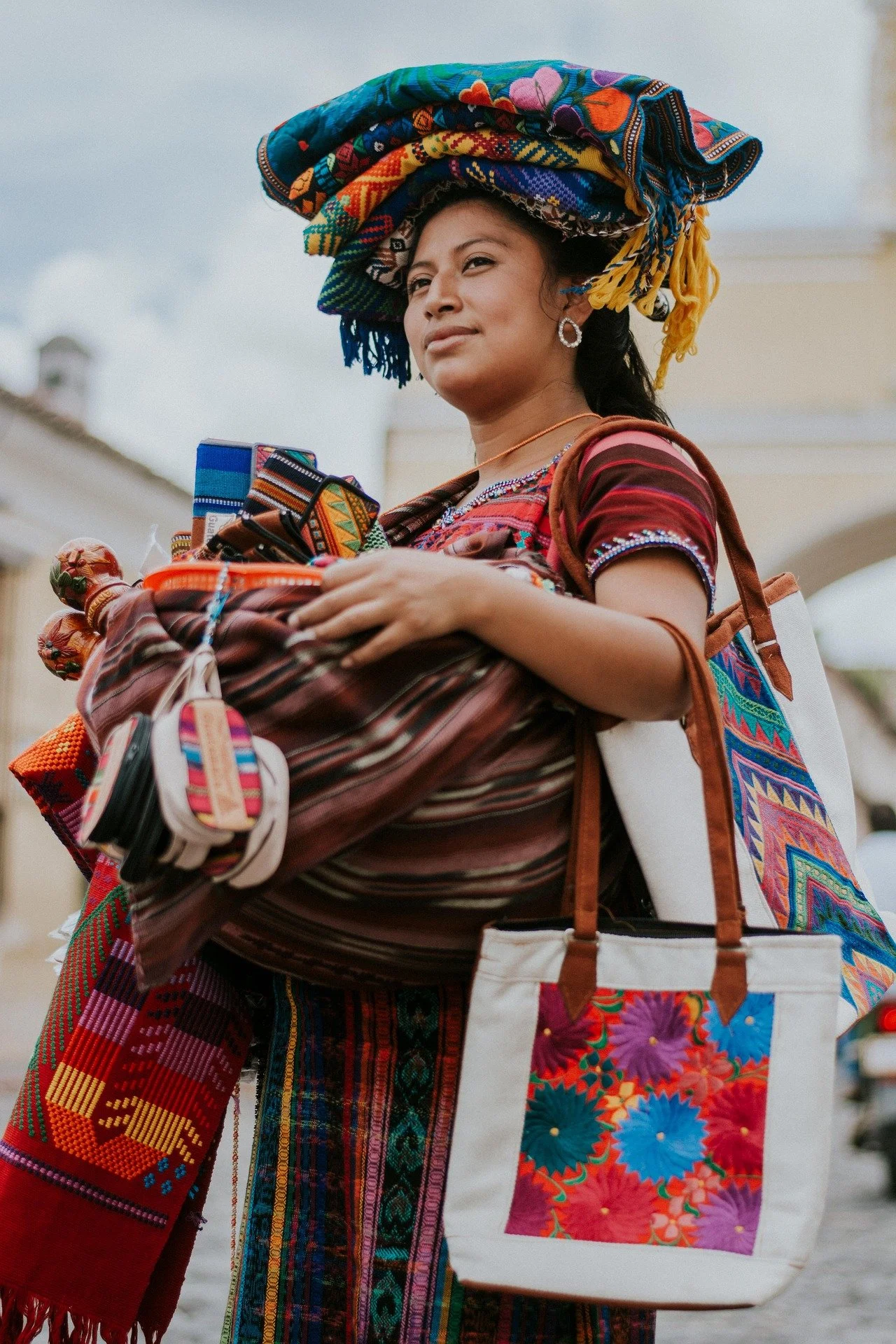
Photo by Harold
Turn Local Events Into Steady Visibility and Real Connections
It’s easy to show up to a local event, get busy at the booth, and still feel like the right people never quite find you. The answer isn’t louder promotion, it’s a simple, repeatable approach: show up consistently, share clear visuals and messages, and make it easy for neighbors to remember and reach you. When applying event marketing strategies becomes a small weekly habit, empowering small business growth starts to feel achievable, and the community engagement impact becomes visible in familiar faces returning. Consistency turns local events into lasting customer connections. Pick one tactic this week, use a basic template or a short teaser clip, and bring it to the next event. That steady presence builds resilience through trust, relationships, and a stronger place in the community.